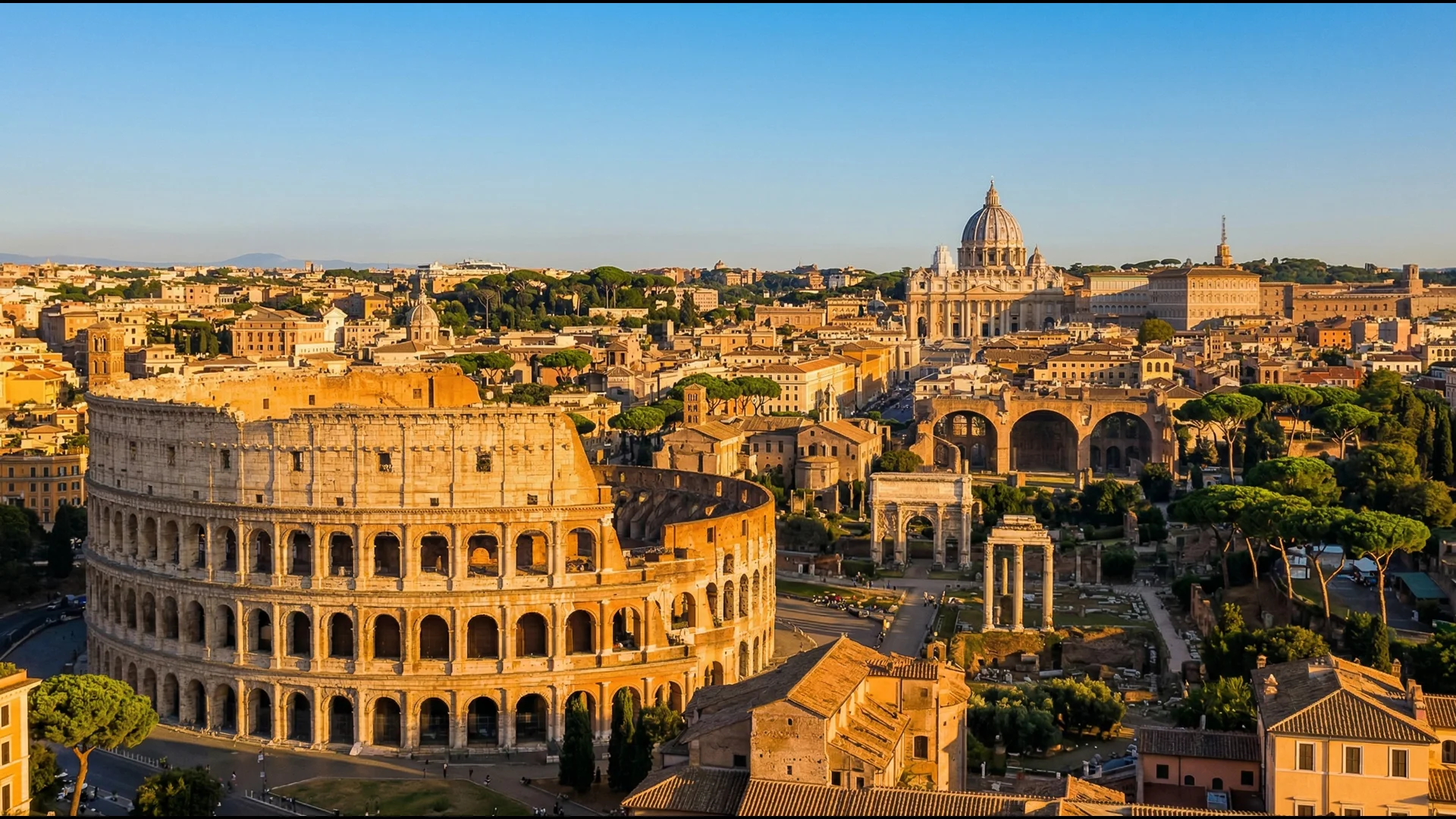
Rome (Civitavecchia): Gateway to the Eternal City
Civitavecchia is the cruise port for Rome, and the good news is that the Eternal City is absolutely reachable in a day. The not-so-good news: Rome is 1.5 hours away by train, so you need a plan and you need to be decisive about what you see. Trying to “do Rome” in one day is impossible — but picking 2-3 highlights and soaking in the atmosphere? That’s a perfect port day.
Port Overview
Location: Civitavecchia, approximately 80 km (50 miles) northwest of Rome Getting to Rome: Regional train from Civitavecchia station to Roma Termini (~50-80 min, €5-15) Port to Train Station: 10-15 minute walk from cruise terminal, or free shuttle (check with your ship) Typical Hours: 7:00 AM - 7:00 PM (varies by ship) Currency: Euro (cards widely accepted, carry cash for street food and small shops) Language: Italian (English spoken at major tourist sites, less so in local neighbourhoods) What’s Free: Walking through Rome’s historic centre, Pantheon (free entry), piazzas, fountains, people-watching What Costs Extra: Colosseum/Forum (€16-24), Vatican Museums (€17), train tickets (€5-15 each way), food, taxis WiFi: Available at most cafes and restaurants in Rome Getting Around Rome: Metro (€1.50 per ride), walking (the best way to see Rome), taxis (metered, expensive)
Getting from Port to Rome
This is the most important decision of your day. You have three options.
Option A: Day Trip to Rome by Train (Recommended)
- Cost: €5-15 each way (regional train, buy at station or Trenitalia app)
- Time: 50-80 minutes depending on train type
- From the port: Walk or shuttle to Civitavecchia train station (10-15 min from terminal)
- Destination: Roma Termini (main station) or Roma San Pietro (closer to Vatican)
- The catch: You lose 3+ hours to travel round trip. Leave early, come back early
- Critical tip: Check the LAST train back to Civitavecchia before you leave. Missing the last train means missing your ship
Option B: Stay in Civitavecchia
- Cost: Minimal — walking the town is free
- Best for: Travelers who don’t want the stress of the Rome day trip, or those who’ve already seen Rome
- What to see: Fort Michelangelo (16th-century fortress at the harbour), the seafood restaurants along the port, the local market, Taurine Baths (Roman-era ruins nearby)
- Lunch: Fresh seafood at the port area — much cheaper and more relaxed than Rome
Option C: Organized Shore Excursion
- Cost: €100-200+ per person through cruise line, €50-100 for private tour operators
- Pros: No train stress, guided experience, guaranteed return to ship
- Cons: Expensive, less flexible, large groups
- Best for: First-timers who want peace of mind, or those who want to see specific sites with expert commentary
Free vs. Paid
Free Activities
- The Pantheon — Free entry to one of the best-preserved ancient Roman buildings. The oculus (open hole in the dome) is breathtaking. No booking needed
- Trevi Fountain — Toss a coin, make a wish, take the photo. Crowded but iconic. Best early morning or late afternoon
- Piazza Navona — Baroque masterpiece with Bernini’s Fountain of the Four Rivers. Street artists, cafes, atmosphere
- Spanish Steps — Climb up for city views. The piazza below has high-end shopping (window shopping is free)
- Walking the Historic Centre — Rome rewards wandering. Every corner has a church, a fountain, or a ruin older than most countries
- Roman street life — Sit on a bench, watch the Vespas, listen to church bells. This is the Rome experience
Paid Experiences
Colosseum & Roman Forum (€16-24 per person)
- MUST pre-book online — Walk-up tickets are rarely available, and the line will eat your entire day
- Book at: Official site (coopculture.it) or authorized resellers
- Combo ticket: Includes Colosseum, Roman Forum, and Palatine Hill — valid for 2 days
- Time needed: 2-3 hours for all three
- Worth it? Absolutely — if you pre-book. Standing inside the Colosseum is unforgettable
Vatican Museums & St. Peter’s Basilica (€17 museums, Basilica is free)
- MUST pre-book online — Lines without reservation can be 3-4 hours
- Skip-the-line tickets: Book on the Vatican’s official website
- Sistine Chapel: Included in Vatican Museums ticket. No photos allowed (but everyone takes them)
- St. Peter’s Basilica: Free entry but expect security lines (30-60 min). Dress code enforced — covered shoulders and knees
- Time needed: 2-3 hours for museums, 30-60 min for Basilica
- Worth it? One of the greatest art collections on Earth. Michelangelo’s ceiling alone is worth the trip
Best Strategies
Pick 2-3 Highlights, Not All of Them
Rome has too much for one day. Choose ONE of these combinations:
Combo 1: Ancient Rome — Colosseum, Roman Forum, Palatine Hill, then walk to the Pantheon and Trevi Fountain Combo 2: Vatican Focus — Vatican Museums, Sistine Chapel, St. Peter’s Basilica, then walk to Castel Sant’Angelo and Piazza Navona Combo 3: Walking Rome — Pantheon, Trevi Fountain, Spanish Steps, Piazza Navona, gelato stops, no museums, just atmosphere
For First-Time Visitors
- Take the earliest train — Every minute counts on a Rome day trip
- Pre-book Colosseum OR Vatican — Not both. You don’t have time for both in one day from a cruise
- Walk between sites — Rome’s historic centre is compact. Metro is useful but you miss the beauty
- Eat lunch at a side-street trattoria — Not on the main tourist squares. Walk one block off the tourist path for better food at half the price
- Set a hard deadline to head back — Give yourself at least 2 hours before your ship’s all-aboard time
For Couples
- Vatican morning, Trastevere lunch — Cross the river to Rome’s most charming neighbourhood for lunch
- Sunset walk along the Tiber — If your ship departs late enough
- Splurge on a good trattoria — Rome has some of the best food in the world. This is the port to spend on a meal
- Skip the Colosseum — Controversial, but the outside is almost as impressive as the inside, and you save 2 hours
For Budget Travelers
- Regional train, not the fast train — €5 vs €15+
- Pack snacks from the ship — Rome tourist areas are expensive
- Free sites only — Pantheon, Trevi, Spanish Steps, Piazza Navona make an incredible free day
- Eat pizza al taglio — Roman-style pizza by the slice, €2-4, sold by weight. Delicious and cheap
- Water fountains everywhere — Rome’s nasoni (public drinking fountains) have clean, cold water. Bring a bottle
Sample Day
Classic Rome Day Trip (Ancient Rome Focus)
- 7:00 AM: Leave ship, walk/shuttle to Civitavecchia station
- 7:30 AM: Train to Roma Termini
- 8:30 AM: Arrive Roma Termini, Metro to Colosseo station
- 9:00 AM: Colosseum (pre-booked timed entry)
- 10:30 AM: Roman Forum & Palatine Hill
- 12:00 PM: Walk to Pantheon (20 min), explore
- 12:30 PM: Lunch at a trattoria near Pantheon — carbonara or cacio e pepe
- 1:30 PM: Walk to Trevi Fountain (10 min)
- 2:00 PM: Piazza Navona (15 min walk)
- 2:30 PM: Gelato stop, wander back toward Termini
- 3:30 PM: Train back to Civitavecchia
- 5:00 PM: Back at port, reboard ship
Vatican & Walking Day
- 7:00 AM: Train to Roma San Pietro station (closer to Vatican)
- 8:30 AM: Vatican Museums (pre-booked 9:00 AM entry, arrive early)
- 9:00 AM - 11:30 AM: Vatican Museums & Sistine Chapel
- 11:30 AM: St. Peter’s Basilica (free entry, security line)
- 12:30 PM: Walk across Ponte Sant’Angelo, lunch in centro storico
- 1:30 PM: Pantheon, Trevi Fountain, Spanish Steps (walking loop)
- 3:30 PM: Train back to Civitavecchia
- 5:00 PM: Back at port
Relaxed Civitavecchia Day
- 8:30 AM: Leave ship, walk into Civitavecchia town
- 9:00 AM: Explore Fort Michelangelo and harbour
- 10:00 AM: Coffee at a local bar (not a tourist cafe)
- 10:30 AM: Browse the local market
- 12:00 PM: Seafood lunch at a port-side restaurant — grilled fish, pasta alle vongole
- 1:30 PM: Walk the seafront promenade
- 3:00 PM: Return to ship, enjoy the pool deck
Practical Tips
What to Bring
- Comfortable walking shoes — Cobblestones everywhere in Rome. No heels, no flip-flops. Your feet will thank you
- Sunscreen and hat — Limited shade in the Forum and at the Colosseum
- Cash (Euros) — For train tickets (machines accept cards but sometimes don’t), street food, and small purchases
- Refillable water bottle — Fill at Rome’s public nasoni fountains. Cold, clean, free
- A light scarf or cover-up — Required for Vatican and church visits (covered shoulders and knees)
- Phone charger/power bank — Long day, lots of photos, you’ll need the battery
What NOT to Bring
- Too much cash — Pickpockets are real in Rome, especially on Metro and at crowded tourist sites
- Valuables you don’t need — Leave jewelry and extra cards on the ship
- A rigid minute-by-minute schedule — Rome has delays, crowds, and surprises. Build in buffer time
Important Notes
- Pickpockets are a serious concern — Keep bags zipped and in front of you. Be extra alert on Metro Line B (Termini to Colosseo), at Trevi Fountain, and on crowded buses. Don’t put your phone in your back pocket
- Validate your train ticket — Stamp it at the green machines on the platform before boarding. Unvalidated tickets can result in a fine
- Don’t miss the last train — Know exactly when the last Civitavecchia-bound train leaves Roma Termini. Set an alarm. Missing it means a €100+ taxi ride or missing your ship
- Cobblestones are brutal — Wear shoes with good soles. Rome will destroy sandals and dress shoes
- Dress code for churches — Covered shoulders and knees. Applies to Vatican, all major churches. They will turn you away
Food & Drink
Must-Try Foods
- Carbonara — Rome’s most famous pasta. Egg, guanciale (cured pork cheek), pecorino, black pepper. No cream — ever. If the menu says “cream,” walk out
- Cacio e pepe — Pecorino cheese and black pepper pasta. Simple, perfect, and harder to make than it looks. A Roman masterpiece
- Suppli — Fried rice balls stuffed with mozzarella (Rome’s version of arancini). Perfect street snack, €1-2 each
- Pizza al taglio — Roman-style pizza, rectangular, sold by weight. Crispy, light, and available everywhere. €2-5 for a generous slice
- Gelato — Real Italian gelato, not the tourist stuff. Look for natural colours (pistachio should be grey-green, not neon green) and metal lids covering the containers
Must-Try Drinks
- Espresso — Stand at the bar like a Roman. €1-1.50 for a perfect shot. Do NOT sit at a table (double the price)
- Spritz — Aperol or Campari spritz for aperitivo hour. €5-8 at a normal bar, €12+ at a tourist piazza
- House wine — Order “vino della casa” (house wine). It’s cheap (€3-5 per glass) and usually excellent in Rome
- Grattachecca — Roman shaved ice with fresh fruit syrup. A summer tradition
Where to Eat
- Near Pantheon: Look for side streets one block away. Avoid restaurants with picture menus and touts
- Trastevere: Rome’s most charming food neighbourhood. Cross the river for authentic trattorias
- Testaccio: The real food neighbourhood. Less touristy, better prices, incredible Roman cuisine
- Avoid: Any restaurant with someone standing outside trying to pull you in, laminated photo menus in 6 languages, or “tourist menu” signs
Don’t Miss
- The Pantheon — Free, no booking needed, and genuinely awe-inspiring. Stand in the centre and look up at the oculus
- A proper carbonara — At a real trattoria, not a tourist restaurant. This is the dish Rome is known for
- Trevi Fountain — Yes, it’s crowded. Yes, it’s worth it. Go early if you can
- Walking the back streets — The best of Rome is between the major sites, not at them
- An espresso at the bar — €1, standing, like a local. The Italian coffee experience
- The Colosseum exterior — Even if you don’t go inside, seeing it in person is powerful
Skip If Short on Time
- Trying to do both the Vatican AND Colosseum in one day from a cruise — You’ll spend all day rushing and enjoy neither
- Vatican on a Sunday — It’s closed (except St. Peter’s Basilica)
- Sitting at a piazza restaurant for a long lunch — Beautiful but eats 2 hours you don’t have. Grab pizza al taglio and keep walking
- The Mouth of Truth (Bocca della Verita) — Long line for a quick photo with a stone face. Not worth the time on a cruise day
- Shopping on Via del Corso — Same international brands as everywhere. Rome’s charm is not in chain stores
Rome in a day from Civitavecchia is ambitious but absolutely worth it. Pick your 2-3 must-sees, pre-book if they require tickets, take the early train, eat carbonara at a real trattoria, and don’t forget to check the last train home. The Eternal City has been waiting 2,000 years for you — it’ll still be there if you need to come back for more.